
Takeda: Access to Medicines
HTML5 Display Production
“Access to Medicines. Better Health, Brighter Future.”: Takeda’s documentary campaign for the Financial Times, built as Google Studio rich media: four expandable formats, standard display and tablet and mobile units, across three story sets.
- Production scope
- Campaign Adaptation, HTML5 Display
- Brand
- Takeda
- Work shown
- 3 messages · 11 formats · 5 animated HTML5 + 4 images + 4 films
Better Health, Brighter Future.
The campaign
Takeda told the story of its access-to-medicines work through documentary photography: patients, health workers and the clinics that serve them. The campaign ran on the Financial Times, so it was built to the publisher’s formats: expandable units that open from a banner into a panel of photographs and quotes, standard display, and units for the FT’s tablet and mobile placements. Three story sets each needed the full suite.
One message, every size
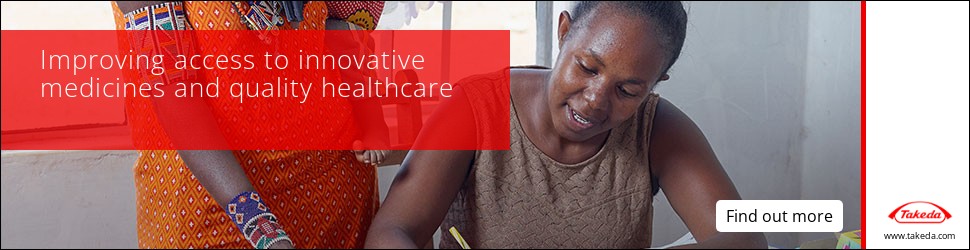
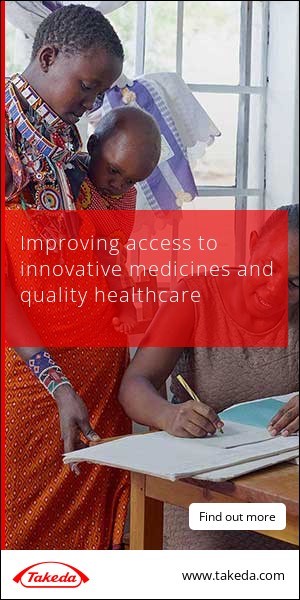
The featured message in all five of its sizes.
Wide formats 2
970×250Animated HTML5 
728×90Animated HTML5
Portrait formats 3
300×600Animated HTML5 
300×600Animated HTML5 
300×600Animated HTML5
All 13 creatives
Three messages across eleven sizes; not every message was made in every size. 5 animated HTML5, 4 images and 4 films.
Click to expand. 4 sizes
Each expandable opens from its banner into a larger panel that moves through three photographs, two quotes and the campaign line, then collapses back. Shown here as recordings of the finished builds, from the collapsed banner through the expanded panel.
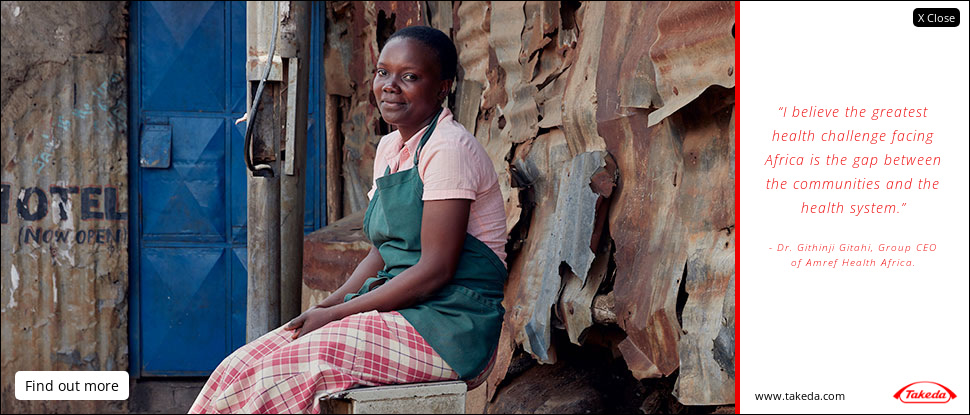
Click to expand.970×414Film 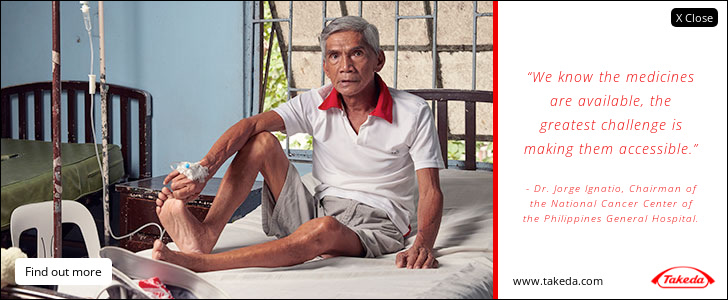
Click to expand.728×300Film 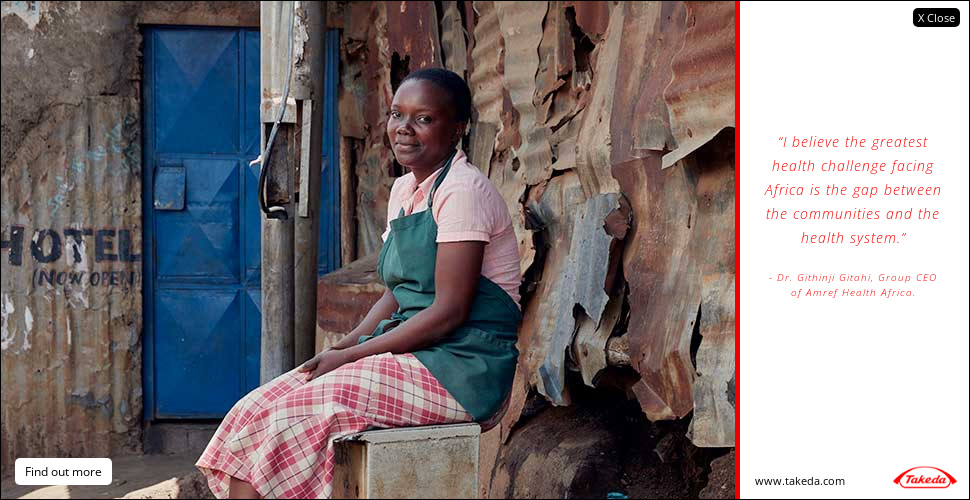
Click to expand.970×500Film 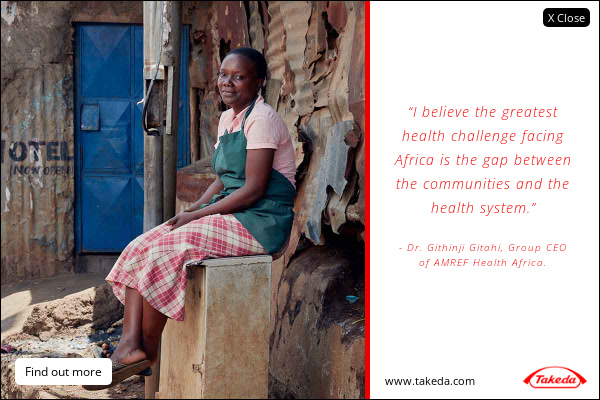
Click to expand.600×400Film
Better Health, Brighter Future. 5 sizes, the featured message
The half-page in each of the three story sets, and the wide formats.
Better Health, Brighter Future.970×250Animated HTML5 Better Health, Brighter Future.728×90Animated HTML5
Better Health, Brighter Future.300×600Animated HTML5 Better Health, Brighter Future.300×600Animated HTML5 Better Health, Brighter Future.300×600Animated HTML5
Access to Medicines. 4 sizes
The FT’s tablet and phone placements, portrait and landscape, delivered as finished artwork.

Access to Medicines.1024×750Image 
Access to Medicines.568×320Image 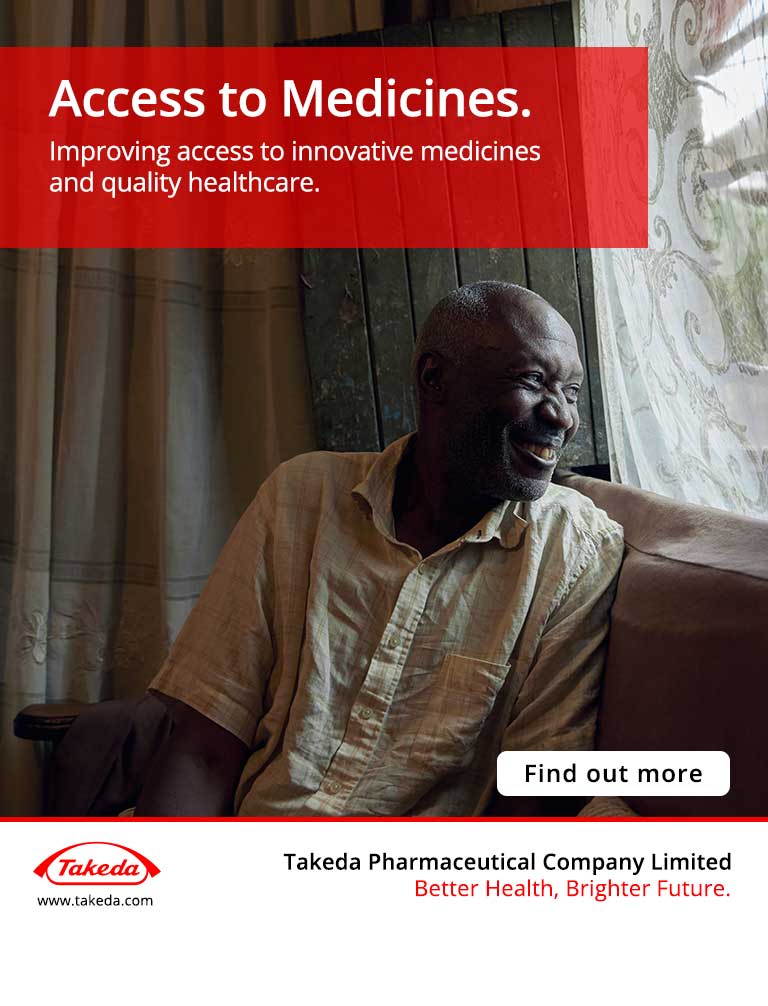
Access to Medicines.768×1006Image 
Access to Medicines.320×548Image
Nothing matches both filters.
The production challenge
- Publisher rich media: four expandable types (300×250 to 600×400, 728×90 to 728×300, 970×90 to 970×415 and 970×250 to 970×500), each with its own expansion direction and its own collapsed and expanded layouts.
- Three story sets across the whole suite, each with its own photographs and quotes in every format.
- Long quotes in small spaces: the expanded panels carry attributed quotes beside full-height photography, so type and image had to share the panel at every size.
- Tablet and phone placements in both orientations alongside the desktop formats.
How it was built
- Hand-coded HTML5 for Google Studio: the Studio Enabler handles expansion, collapse, exits and the polite load of each unit’s script and styles.
- GSAP timelines for the collapsed sequence and for the story panels once expanded; live type in Open Sans.
- A backup image for every format, and finished statics for the tablet and phone units.
Three stories, four expandable formats and the publisher’s full set of placements, from one documentary campaign.
Credits
- Digital production: Punk My Pixel (the Google Studio HTML5 build of the suite — the four expandable formats, the standard display formats and the tablet unit — across all three story sets)
- The design options, photography, copy and Takeda’s brand guidelines were supplied.